

PoC case: automating GMP reports at a pharmaceutical manufacturer
A single qualification report takes half a day by hand. How much of that can AI take on? A PoC case from the pharmaceutical industry.
DFINITE builds DARVIS, an AI solution that solves operational problems in manufacturing.
In the first half of this year, DFINITE ran a PoC with a pharmaceutical manufacturer to automate qualification reports. The PoC set out to test whether data from measuring equipment could be turned automatically, with no manual handling, into a report that could pass an audit.
Pharmaceutical companies regularly write qualification reports for their GMP (Good Manufacturing Practice, the standards for manufacturing and quality control of medicines) facilities.
The work uses measurement data to verify that temperature and humidity stayed within acceptance criteria and recovered after events such as a power failure or an open door, and then writes it up as a report. A single report involves more than 70,000 measurements, and putting it together by hand takes half a day.
Transcribing the measurements is not hard to automate in itself. Extracting the data and filling in tables can be handled with ordinary automation tools.
The hard part comes next. Giving the report the format and wording it needs to pass a GMP audit, and standardizing it so the result is the same no matter who writes it, is still human work.
Where should report automation start?
DFINITE and the company started the PoC after a preliminary review meeting.
An automation PoC has to start by deciding what to automate. The PoC design itself changes depending on whether the scope stops at organizing measurements, extends to the report format, or goes as far as integration with external systems.
The company had two goals.
The first was to organize measurement data automatically and produce a standardized report. The second was to integrate external system data automatically on top of that, and to automate the report-writing system itself. The expected benefits of automation were also clear: fewer errors and standardized reports.
This PoC focused on the first goal. It tested a flow that organizes measurement data automatically and carries it all the way to a standardized report. The clearer the scope of an automation PoC, the faster it can be validated, and the more it validates, the clearer the next step becomes.
From measuring-equipment data to a report in a single run
To produce one qualification report, someone had to organize by hand the data the measuring equipment had collected over several days. The data was sorted by location, time slot and item, then the minimum, maximum and average for each location were calculated and copied into tables. All of this was done by people.
The automated flow tested in this PoC has three steps.
1) The raw data from the measuring equipment is organized automatically, 2) an appendix sorted by location and time is generated, and 3) the body of the report is filled in, with the minimum, maximum and average for each location calculated automatically from that data. It is a single run with no manual handling.
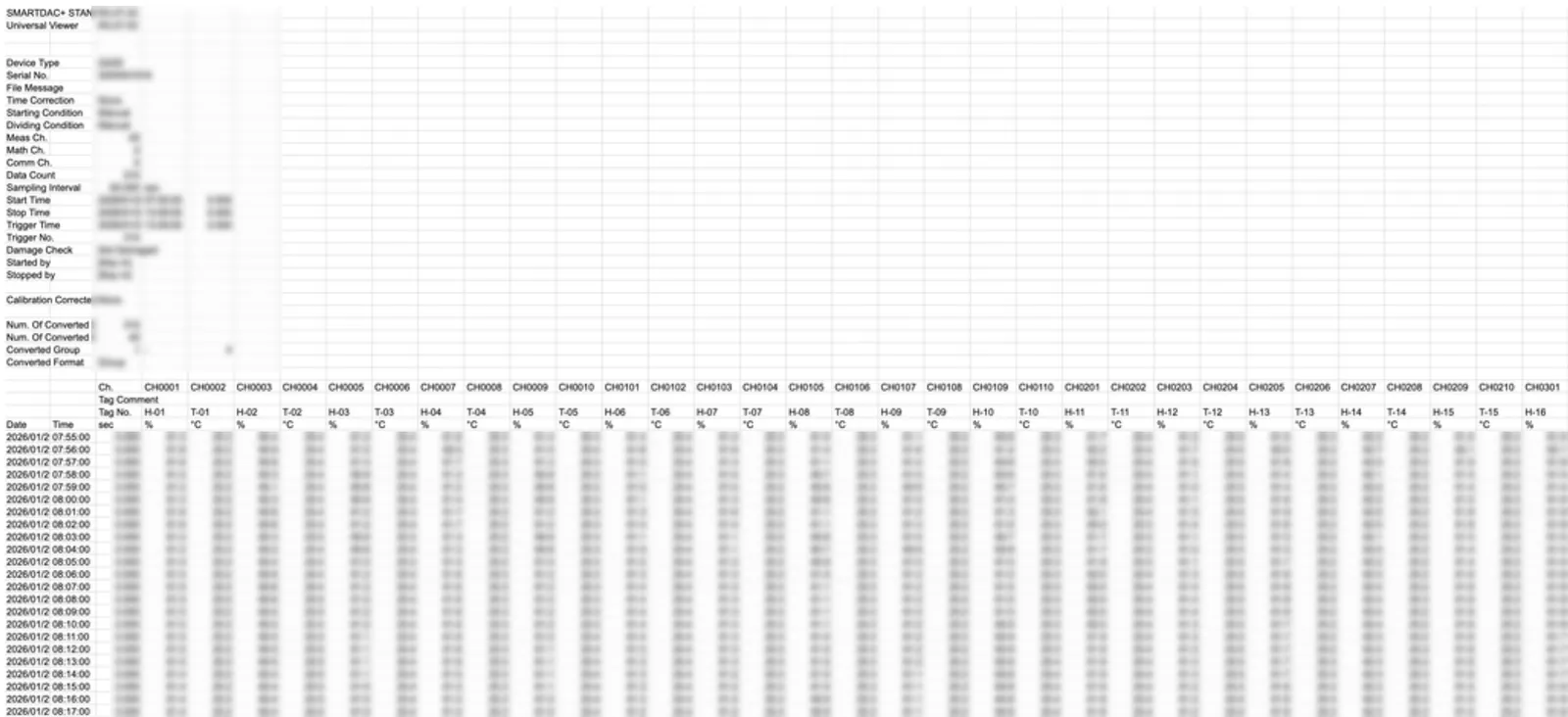
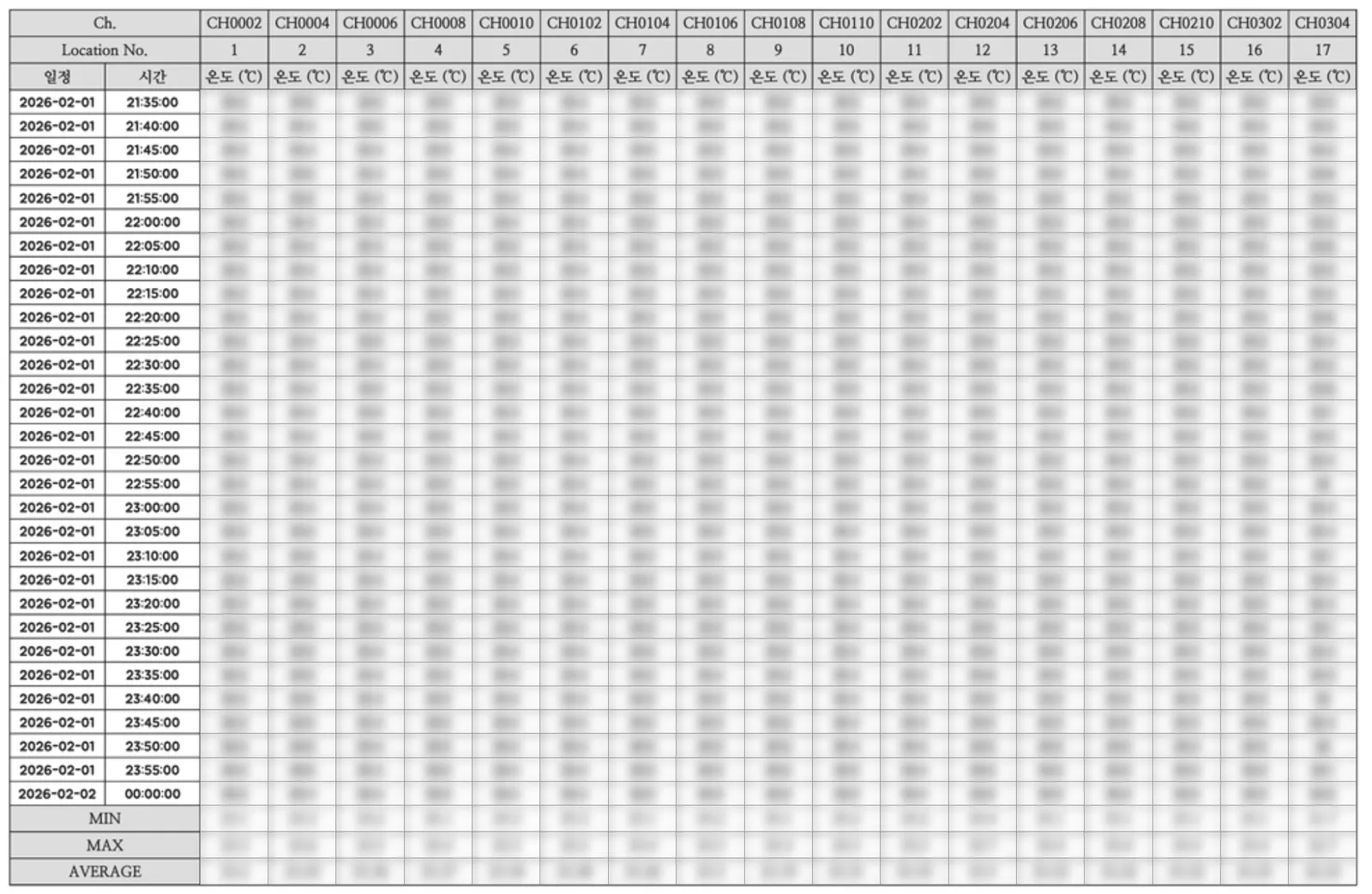
External system data is part of this flow too. A qualification report must record not only measurements inside the facility but also the outdoor temperature and humidity.
The outdoor data is stored in a separate building management system, so previously someone had to log in and pull it out separately. In this PoC, that extraction was built into the automated process, so the outdoor data is handled in the same flow.
Filling in statistics is not the same as finishing a report
Organizing the measurements and calculating the statistics does not mean the report is finished.
Beyond the statistics, a report has a required format and wording, and a GMP audit looks at those as well. This is the most labor-intensive part to automate, and it is why the company named standardization first when it defined the automation scope.

There were two main kinds of visual formatting that people had been doing by hand.
First, shading a cell yellow when a measurement fell outside the acceptance criteria. People had to look through the data, find each cell that was out of range and color it in.
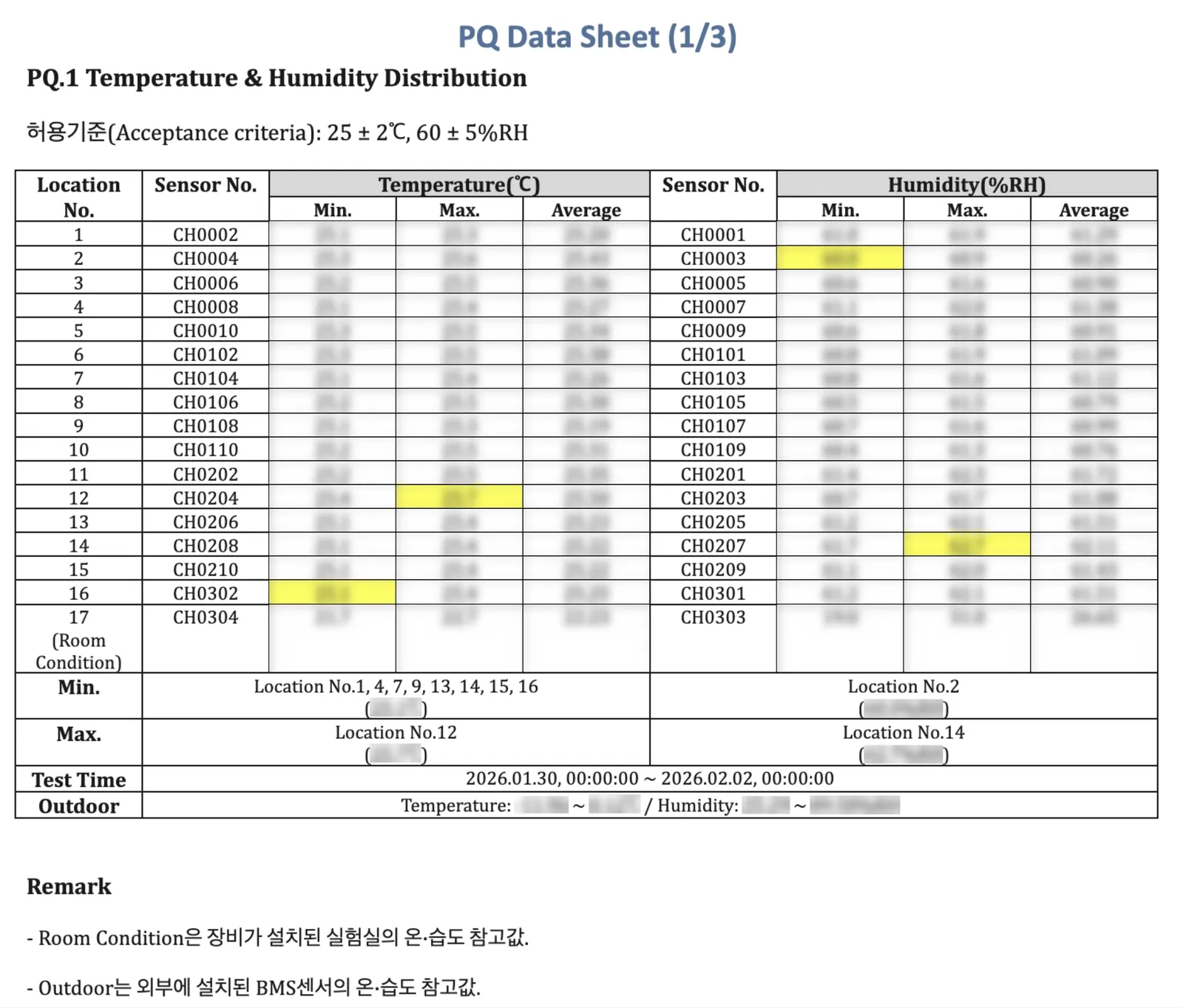
Second, marking when an event such as a power failure or door opening occurred and when conditions recovered. The time a power failure began and the time power was restored had to be labeled precisely next to the data table.
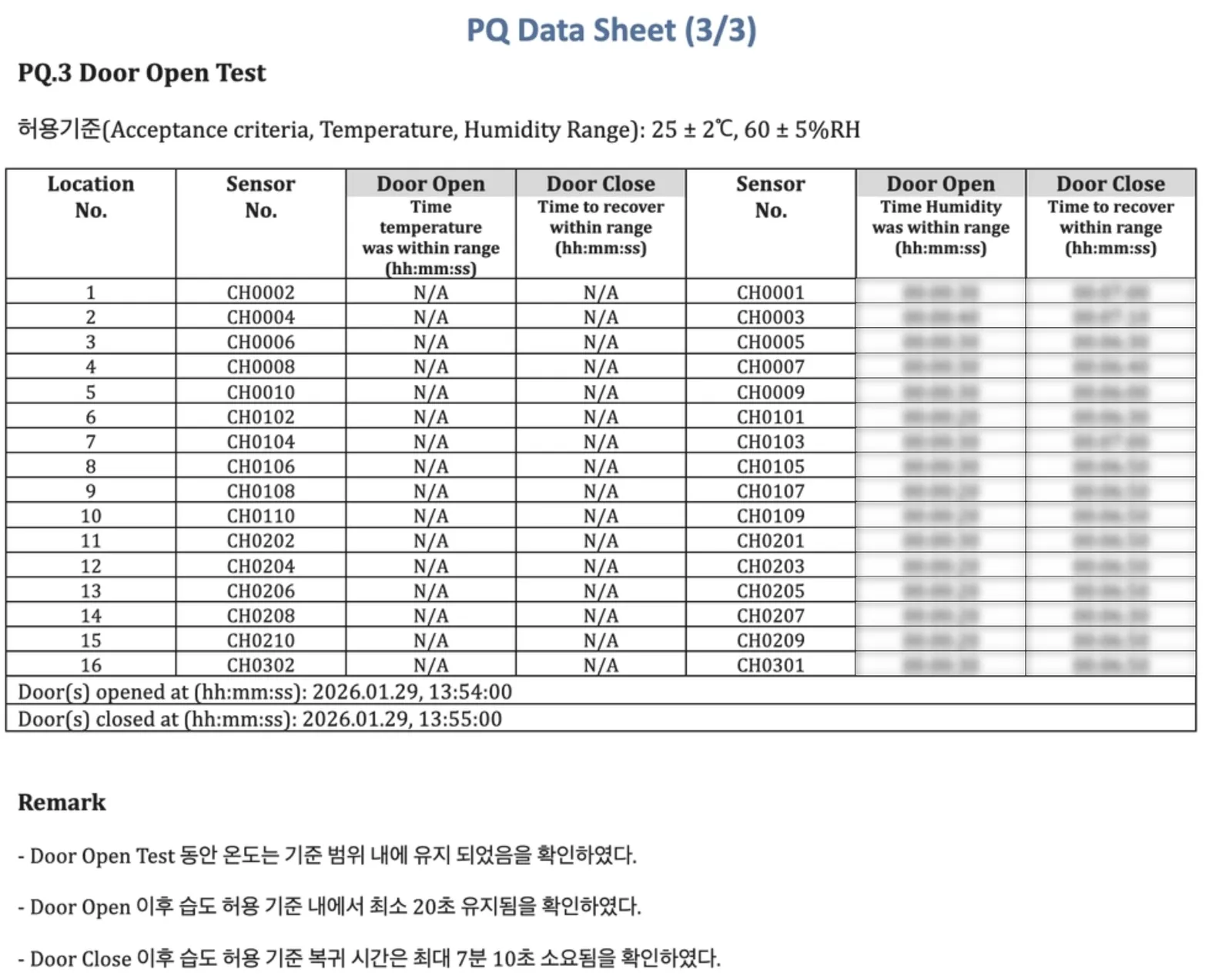
In this PoC, both are handled automatically.
Next is wording. A qualification report includes a Korean sentence evaluating the measurement results for each test item. As in the Remarks in the image above, these sentences are written in a formal, objective tone, for example: "Temperature was confirmed to have remained within the specified range during the Power Failure Test." In this PoC, the system handled not only organizing the measurements but also turning the results into report language.
Report automation does not end with the numbers. Filling in the statistics is only the start; a report is complete only when the format and wording it requires are automated as well. The automation tested in this PoC covers both.
What was validated, and next steps
What this PoC validated is that the flow from measurement data to report can run in a single pass without manual handling. Beyond automatic calculation of statistics, the format and wording a report needs to pass a GMP audit are filled in automatically as well.
Writing qualification reports is not a problem for this one company alone. It is a procedure the entire Korean pharmaceutical industry must go through regularly under the GMP framework, and the effort of writing these reports is a burden shared across the industry.
DFINITE takes the work that needs the most manual effort on the manufacturing floor and moves it into the system. If you carry a similar report-writing burden, a good starting point for your next review is to ask which parts of this flow could carry over to your company.
Adopting manufacturing AI, starting with a PoC
When it comes to AI tailored to your company, trying it directly in a PoC is faster than continuing to deliberate. A single PoC is enough to gauge how AI would work in your company's operations and how work would be split between people and AI.
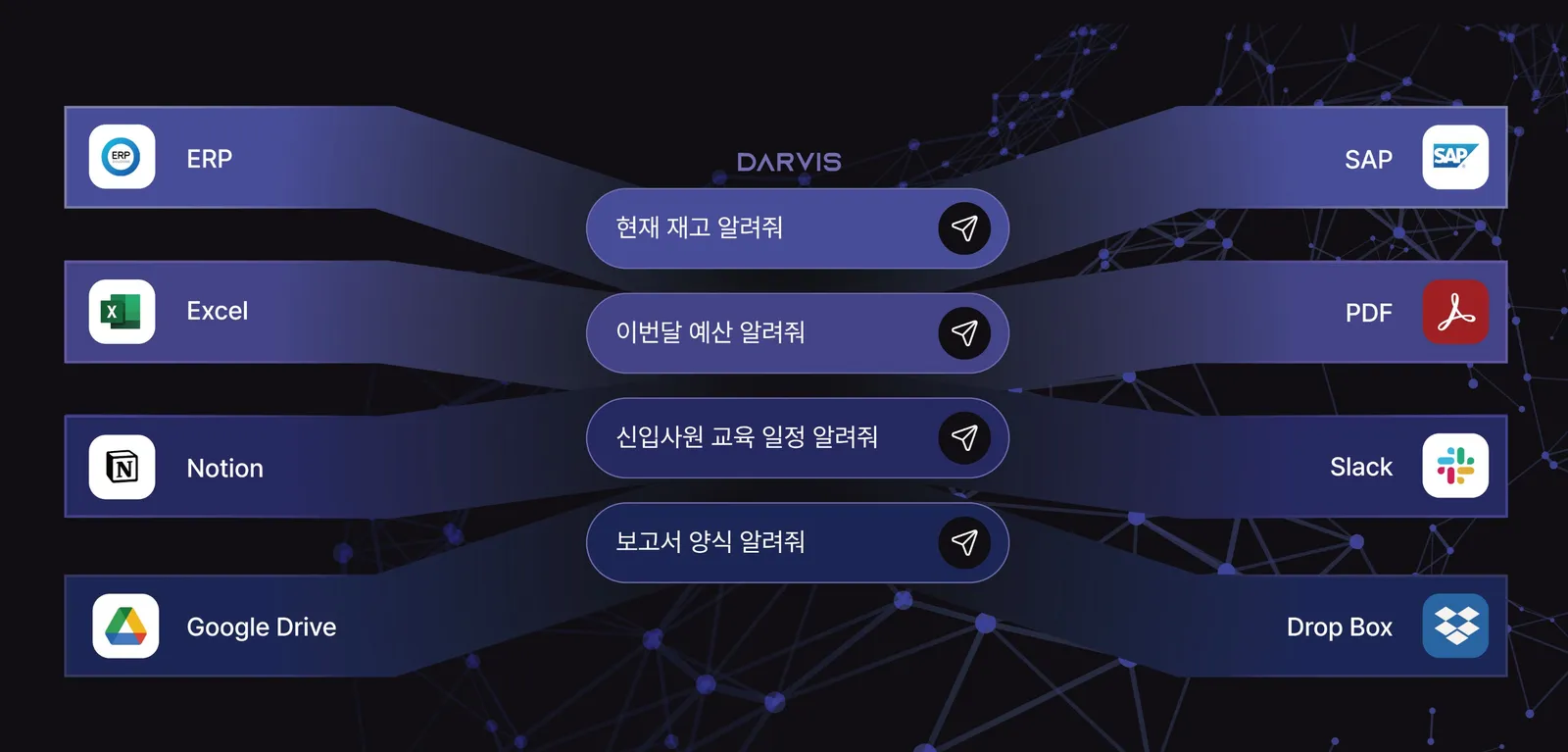
DARVIS, DFINITE's enterprise AI solution, provides AI tailored to each company across several areas, including in-house chatbots, data automation and asset data validation. Does building an in-house AI chatbot still feel vague?
Use the "Request a consultation" button below to ask about DFINITE's AI solution DARVIS. PoC inquiries are always welcome.
We join scattered data with an ontology, flag what drifts first, and keep the evidence behind every decision.