
A public agency improves administrative work with an AI chatbot
How a Seoul public foundation used the DARVIS AI chatbot to cope with a shortage of administrative staff as its workforce grew.
What happens when the budget grows fourfold but the staff who manage it stay the same?
A Seoul public foundation grew fast over the past five years.
Its headcount doubled and its budget quadrupled. Administrative staffing, however, did not keep pace with that growth. As a result, the need to work more efficiently and to find information quickly kept rising.
The foundation is not alone in this. Many other public institutions face the same problem.
The foundation did not leave the problem alone. It moved quickly to fix it, and this post shares how it went about it.
Administrative work had to get more efficient without new hires
Public institutions are often limited in how many staff they can add.
At the foundation, too, administrative headcount was hard to increase even as program staff grew. Budget officers had to handle a much larger scope of work while also answering questions from the growing workforce about rules and policies.
New employees in particular kept calling the welfare team with questions about annual leave rules, vacation policy and remote work. Accounting and consulting inquiries from outside organizations, including daycare centers, also kept increasing.
Staff answered the same questions again and again, and spent a lot of time checking the internal rulebooks and documents each time.
Against this backdrop, the foundation was looking for a new solution built on AI. DFINITE's AI chatbot, DARVIS, became that answer.
The solution with DARVIS: a document-based AI chatbot
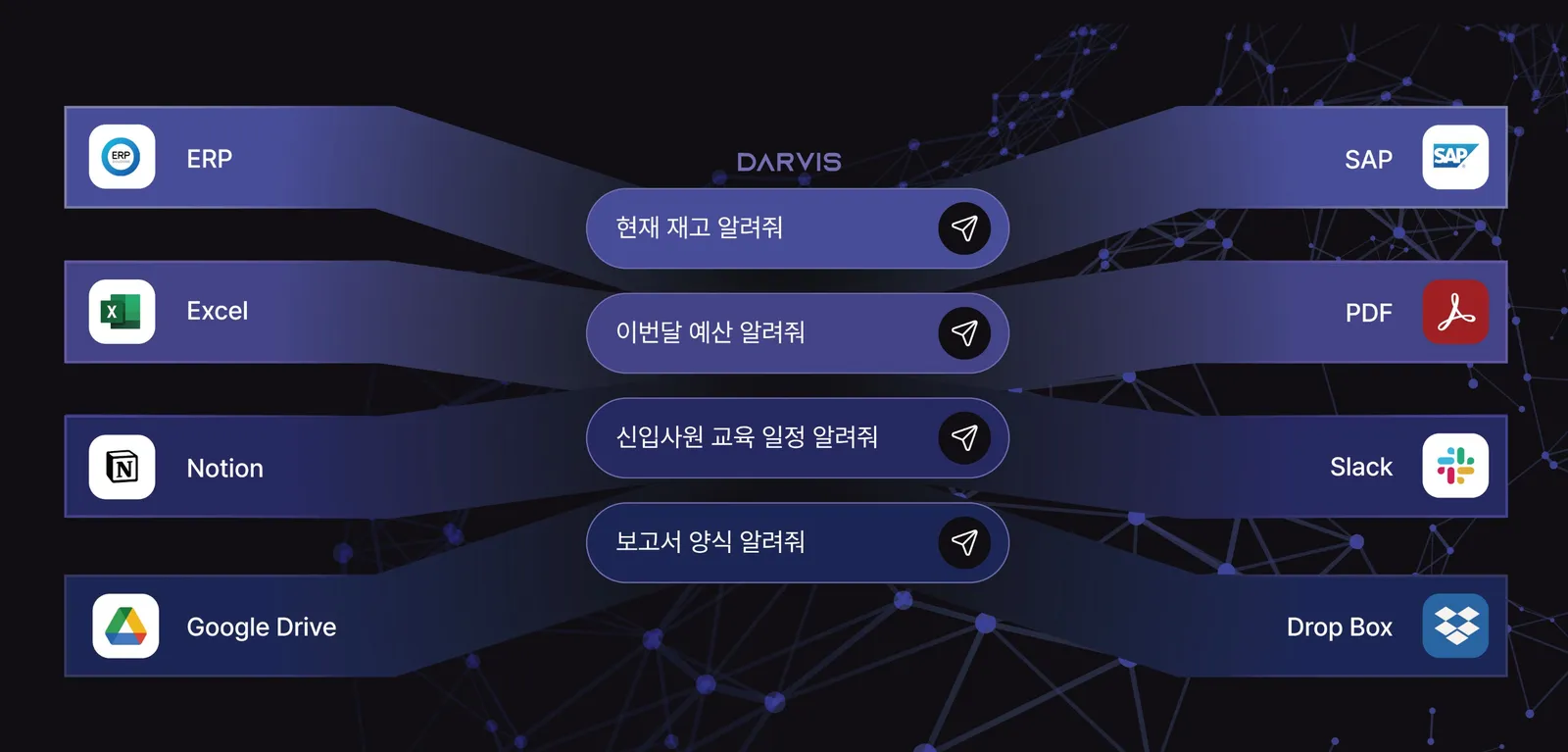
To solve these problems, the foundation started a document-based AI chatbot project with DFINITE. The AI was trained on more than 60 core documents, including the foundation's internal rulebooks, ordinances and budget materials.
One of DARVIS's strengths is that it can process Hangul word processor files (HWP) as they are, with no conversion. Because HWP documents, which are common in Korean public institutions, could be loaded without any extra preparation, the build went much more efficiently.
Through the PoC, DARVIS was set up as an AI chatbot that accurately understands complex document structures such as table data and answers from them. With technology that handles both HWP and PDF files well, all of the important information was captured.
Results of the AI chatbot at a public agency exceeded the targets
The PoC results were better than expected.
Both file retrieval and chunk retrieval performance cleared the targets set at the start of the project. In other words, the system was very accurate at finding the right documents and information for staff questions.
Foundation staff can now get instant answers to questions such as these:
Questions about internal rules and policies
Budget and financial information
Board decisions
Public procurement records
Above all, the DARVIS AI chatbot understands not only plain text but also complex data such as tables and charts. Because it can find information inside budget tables and financial statements accurately, administrative staff can move away from repetitive work and focus on more important tasks.
What sets DARVIS apart as an enterprise AI chatbot
Why did the foundation choose DARVIS?
DARVIS has the following distinctive strengths.
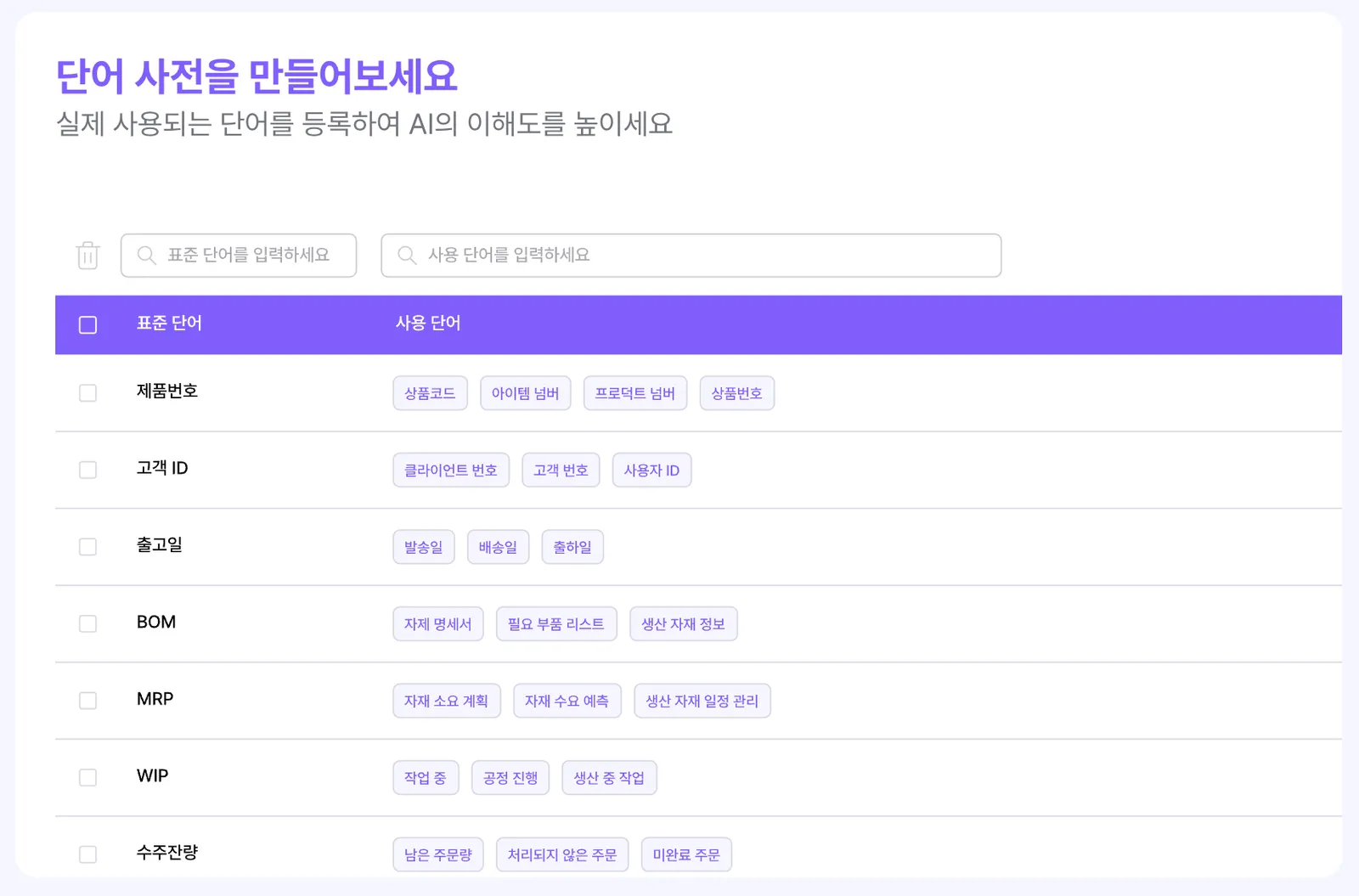
Understands custom terms and documents: It learns and correctly interprets the foundation's own specialized terms and document structures.
Clear sources: Every answer shows where the information came from (document name and relevance score), which makes it more trustworthy. A score closer to 1 means the document is more relevant, and page information can be added if needed.
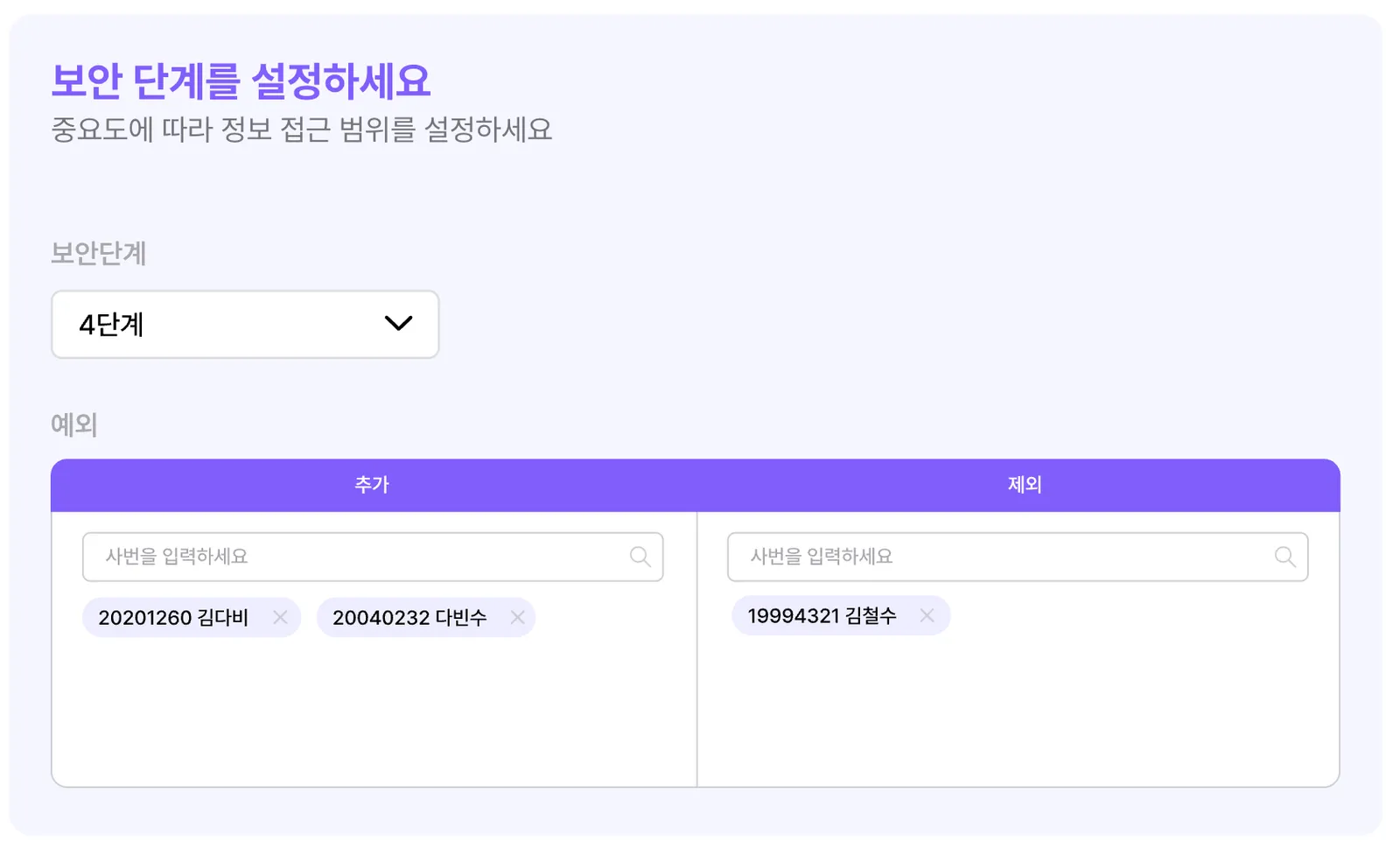
DARVIS, an enterprise AI chatbot with individual security controls. Image text (Korean): "Set security levels: set the scope of access by importance." Security level: level 4. Exceptions: add / exclude by employee ID (sample names). Access control: Access to information can be set differently by department and by job level
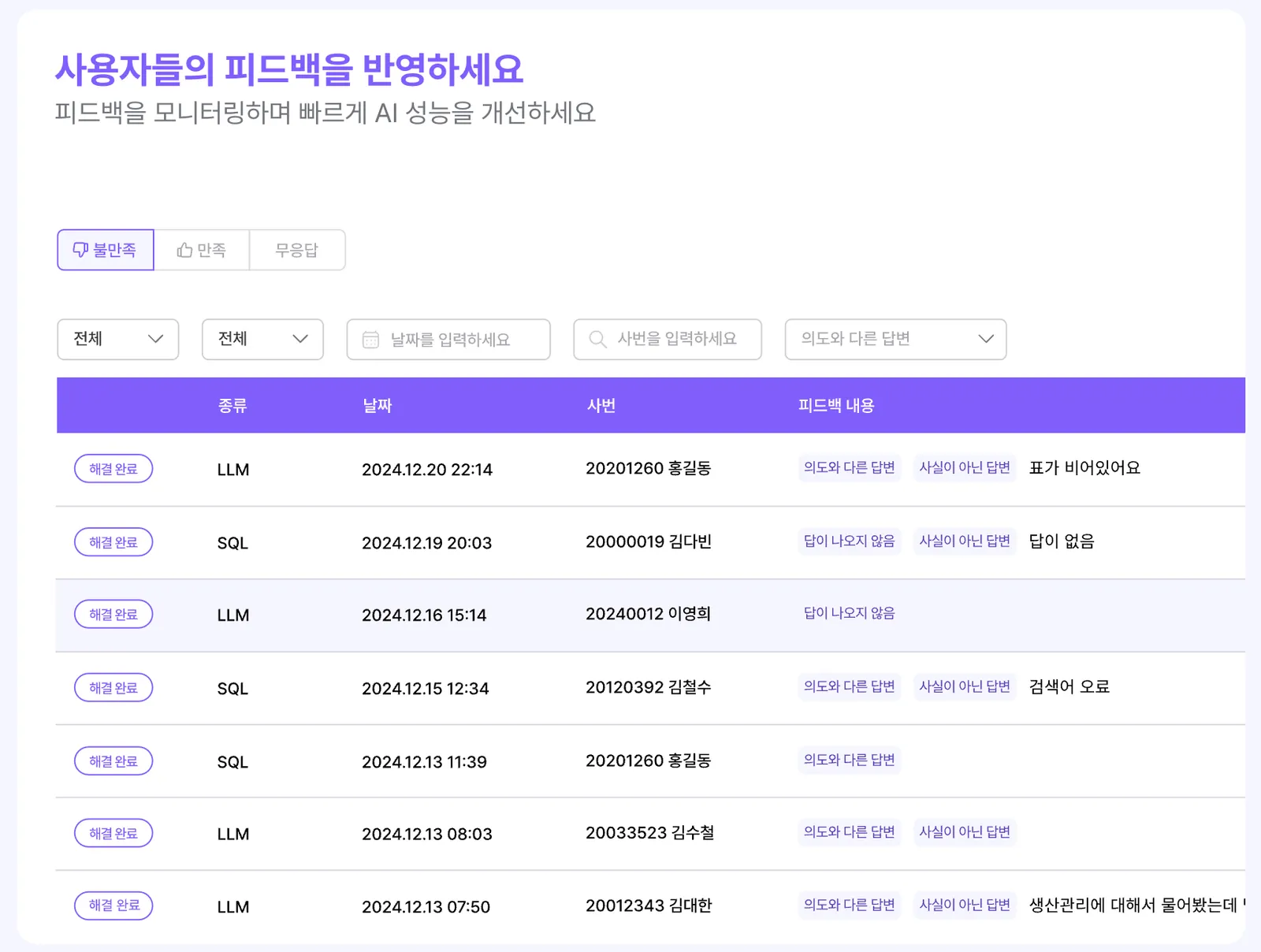
Continuous feedback: During the PoC, user feedback was collected and applied continuously to improve the system. This user-centered approach to development is one of DARVIS's core strengths.
These strengths matter most in settings such as public institutions, where security and accuracy are critical.
Expected results of the AI chatbot at a public agency
For the foundation, adopting an AI chatbot is more than applying a technology: it brings concrete changes across the organization. The rollout is still at an early stage, but the following results are expected.
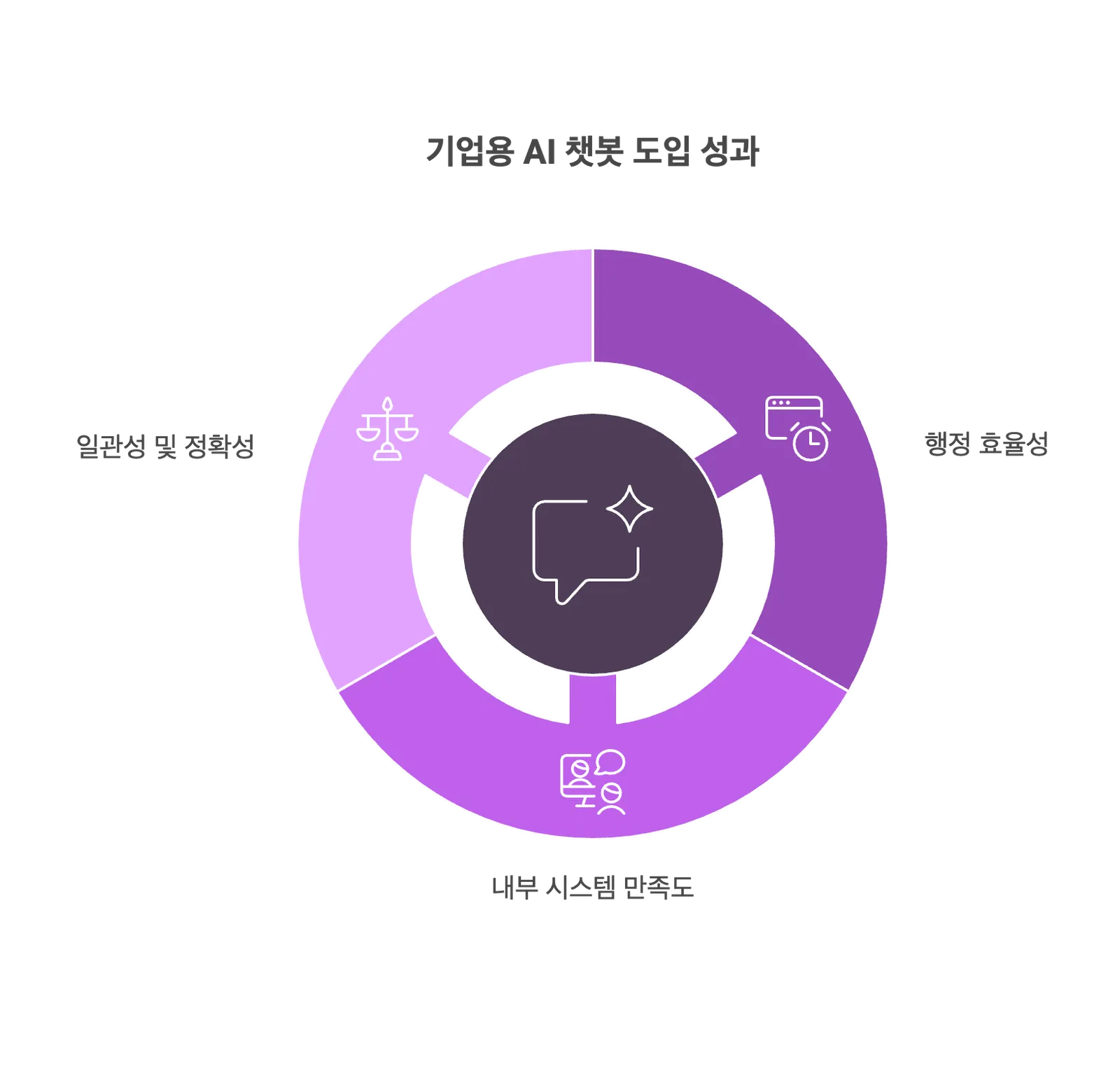
1. Much more efficient work for administrative staff
"I spent every day answering the same questions, so I had to stay late to get my real work done."
Instead of that, staff will now have working time freed up.
1) Current situation: A welfare team staffer handled more than 10 inquiry calls a day on average (50+ a week), which made it hard to focus on core duties.
2) Improvement: With DARVIS, much of the repetitive inquiry work is automated, and the staffer gains extra time for other work.
3) How the time is used: The time freed up goes into more valuable projects such as improving welfare programs and designing benefits tailored to employees, so each staffer can take on new welfare projects.
2. A major improvement in employee experience and satisfaction with internal systems
"I want to check the annual leave rules, but the person in charge isn't at their desk."
Situations like this go away.
1) Response time: Instead of waiting for a reply after asking, staff get an immediate answer (available 24 hours a day)
2) Access to information: Much less time spent searching for the information needed
3) Satisfaction: Higher satisfaction with internal systems
3. Accurate, up-to-date information, fast
"Department A told me one thing, but Department B told me something else."
That kind of confusion goes away.
1) Consistent interpretation of rules: Fewer inconsistencies caused by different staff reading the rules differently
2) Up-to-date information: Rule changes are reflected immediately instead of taking time to spread
3) Fewer errors: Fewer HR and welfare processing errors, and less rework caused by staff not knowing the rules
(Note: these expected effects are estimates based on AI adoption at organizations of a similar size. Actual results may vary with each organization's characteristics.)
Expected effects, judging by other organizations' AI chatbot rollouts
The foundation's case is still at an early stage, but the results at other organizations that have adopted similar solutions give a sense of the effects to expect.
At Company W, an automotive parts maker, onboarding time and training costs for new employees went down after it adopted DARVIS. A presentation coaching company also reduced the size of its coaching team while answering questions much faster.
The foundation expects similar effects. In particular, DARVIS is expected to help with the foundation's main challenges: easing the load on administrative staff, onboarding new employees more efficiently, and automating responses to internal and external inquiries.
The road ahead together
After a successful PoC, the foundation has completed a full rollout. DFINITE now plans to keep developing the system with the foundation.
First, we will expand the training documents so the chatbot can answer a wider range of questions. It started with about 60 documents, and we plan to add the detailed guidelines and work manuals the foundation has requested to broaden the chatbot's knowledge base.
Second, we will improve the search algorithm so it better grasps the context and intent of user questions. The aim is to give more accurate and useful answers.
DFINITE will keep helping public institutions like this foundation make their administration much more efficient. We will keep working so that AI goes beyond simple task automation and becomes a smart partner that supports knowledge sharing and decision-making inside the organization.
Does adopting an AI chatbot still feel vague?
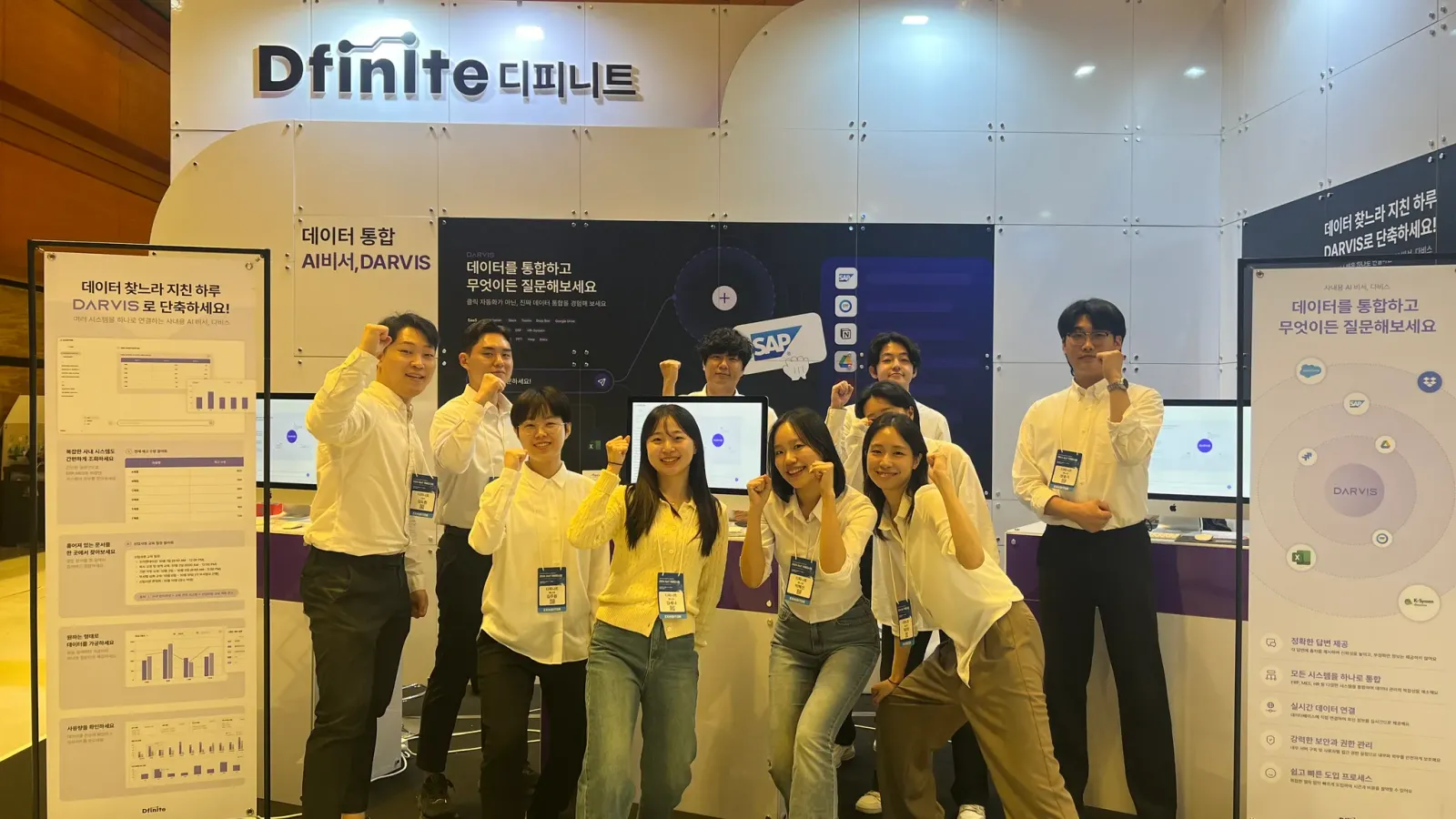
Try it first with a PoC with DFINITE.
We will work with you to find the best approach for your company.
Use the "Request a consultation" button below to get in touch.
We join scattered data with an ontology, flag what drifts first, and keep the evidence behind every decision.