

Manufacturing ontology is about connecting data, not collecting it
Production, quality and maintenance read the same defect differently. Why manufacturing needs ontology, and how it speeds up root cause analysis.
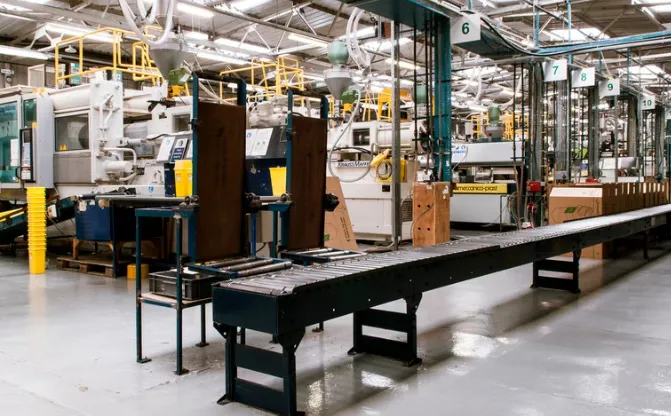
A defect has occurred. You call a meeting to find the cause. Production says it is a process problem, quality says it is a problem with the inspection criteria, and maintenance says it is an upkeep problem. All three teams point to data from their own systems. The data is there, but no one can reach a conclusion.
If this sounds familiar, the problem is not a lack of data. The meaning of the data is not connected. Each system records the same event in a different language, so even when the numbers are gathered, the context does not come together.
That is exactly why manufacturing needs ontology. This article looks at what an ontology is, why it is needed and how it works on the factory floor.
Manufacturing ontology? What an ontology is
An ontology is a semantic model that defines the core concepts, attributes, relationships and rules in a given domain. It takes concepts that people and systems each understood separately and organizes them into a common language, so that everyone uses "the same words with the same meaning."
It is easier to understand by comparing it with databases, tags and coding schemes. A database is good at storing and retrieving values. A coding scheme classifies data with consistent identifiers. An ontology goes one step further. It deals with what a thing is and how it relates to other things. Even when two items share the same part number, an ontology can express which process that material is used in and which quality risks it is linked to.
Take an "equipment failure" event. An ontology can express, as relationships, whether it is simply something to repair, the cause of a quality issue, or a bottleneck that affects delivery dates. That is why ontology is strongest at handling the context around data rather than the data itself.
In manufacturing, ontology is not a technology for collecting data. It is a technology that lets everyone read the data you have already accumulated with the same meaning.
What goes wrong when you connect manufacturing data without an ontology?
On the factory floor, department-specific terms, system-specific codes and the judgment criteria of individual experts are all mixed together. This mismatch in meaning costs more than you might think.
The most common problem is each department interpreting the same event differently. Faced with the same defect, production sees a change in process conditions, quality sees a missed inspection, and maintenance sees wear. Each interpretation is grounded in that team's own system data, so none of them is wrong. But while no conclusion is reached, the same defect repeats in the next batch.
Another problem is that sensors, ERP, MES and quality systems each use different terms and structures. The numbers can be gathered, but their meaning does not merge automatically. In the end, people have to move between Excel, email and shop-floor logs to piece the context back together. Decisions slow down along the way, and the costs of rework and late deliveries pile up.
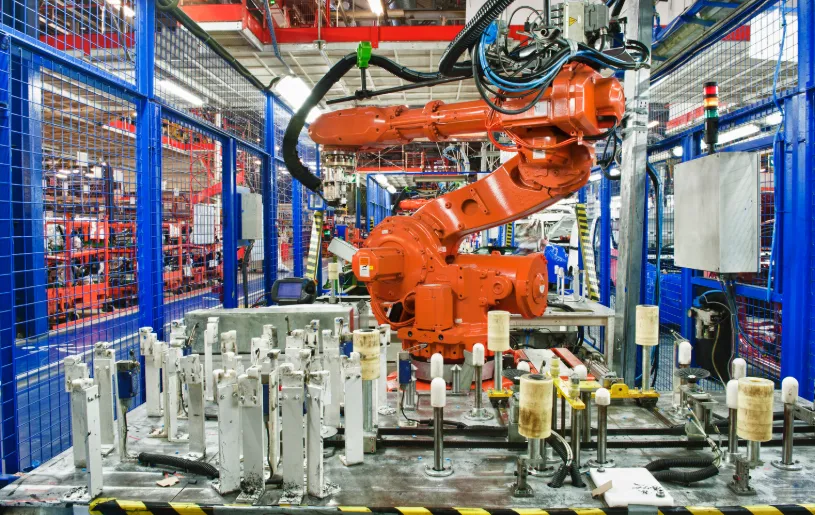
Without an ontology, each system is accurate only about its own data, and the problem falls through the gaps between systems.
How does a manufacturing ontology help on the shop floor?
An ontology ties equipment, processes, quality, materials, workers and anomalies together as concepts and relationships, creating a common language. It can express in semantic terms "which state of this machine is linked to which process conditions, and which quality issue results."
It is easiest to see what changes when a defect occurs and an ontology is in place. Equipment events, process conditions, material lots, operator changes and inspection results are connected in a single flow, so you can trace the cause. Data recorded in different languages by different departments is read within the same system of meaning.
Ontology is also an important foundation for using AI. It lets AI analyze data with an understanding of what the work means, not just columns of numbers. AI moves beyond simple pattern detection to understanding the relationship between cause and effect.
The way it is applied in the field is also practical. Rather than replacing existing MES, ERP and quality systems, the usual approach is to add an ontology layer on top of them. Each system's data stays as it is, while processes, equipment, materials and inspection results are tied together in one system of meaning.
What changes when you adopt a manufacturing ontology?
The first change manufacturing sites notice after adopting an ontology is shorter analysis time. Less manual work rebuilding context means faster root cause analysis and faster decisions on what to do. When a defect occurs, you can quickly trace which equipment condition is linked to which quality issue.
Quality also becomes more stable. Because you can stop a defect from spreading sooner, rework rates and scrap go down. The key result is fewer defects that keep recurring from the same cause.
Decisions become more consistent as well. Interpretations that used to differ by department can be aligned to the same standard, so reports agree with one another. Meetings no longer have to spend time on "which number is right?" Managers also make decisions faster.
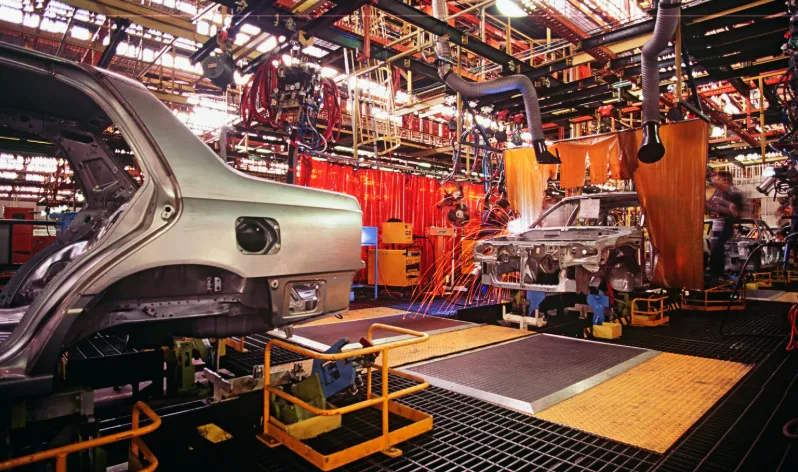
The cases with the best results have something in common. They designed "what connects to what, and how" before deciding "what to store." Ontology is not decoration for bolting on AI; it is the foundation that turns data into a structure you can make decisions with.
How to connect the relationships and meaning in manufacturing data
DARVIS ONTOLOGY HUB connects the relationships, meaning and rules between data to make every decision more accurate. It ties operational data into one system of meaning based on a common data model, and it keeps learning by analyzing usage logs. As the domain expands, new areas can be connected within the same structure, and security and governance are built in.
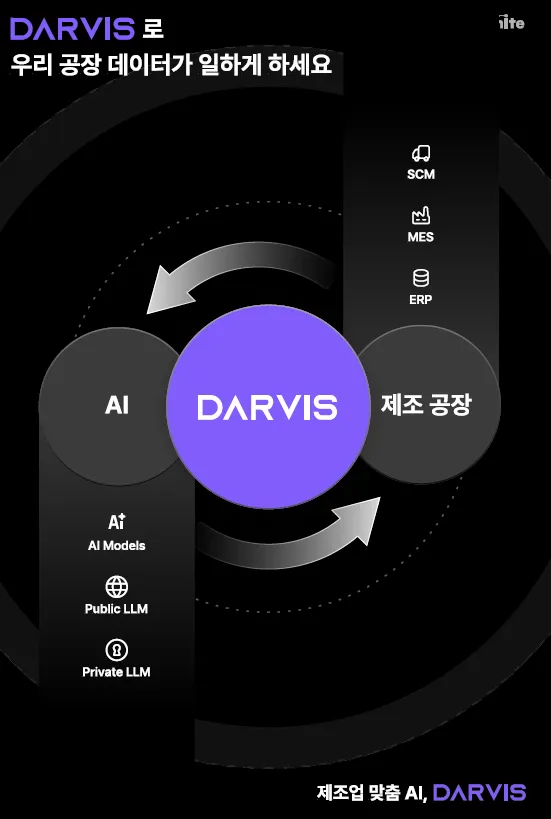
It works by sitting on top of existing ERP, MES and equipment, without replacing them. Once scattered manufacturing data is connected in a meaningful way, AI can find causes and suggest actions with an understanding of the shop-floor context. The role of a manufacturing ontology is not to stop at collecting data but to turn data into decisions.
If you want practical insights on using AI and the latest trends, keep reading the DFINITE DARVIS blog. We share real cases of solving problems on the factory floor and know-how for putting AI to work.
For more manufacturing AI insights, see the related posts below. Thank you.
We join scattered data with an ontology, flag what drifts first, and keep the evidence behind every decision.